

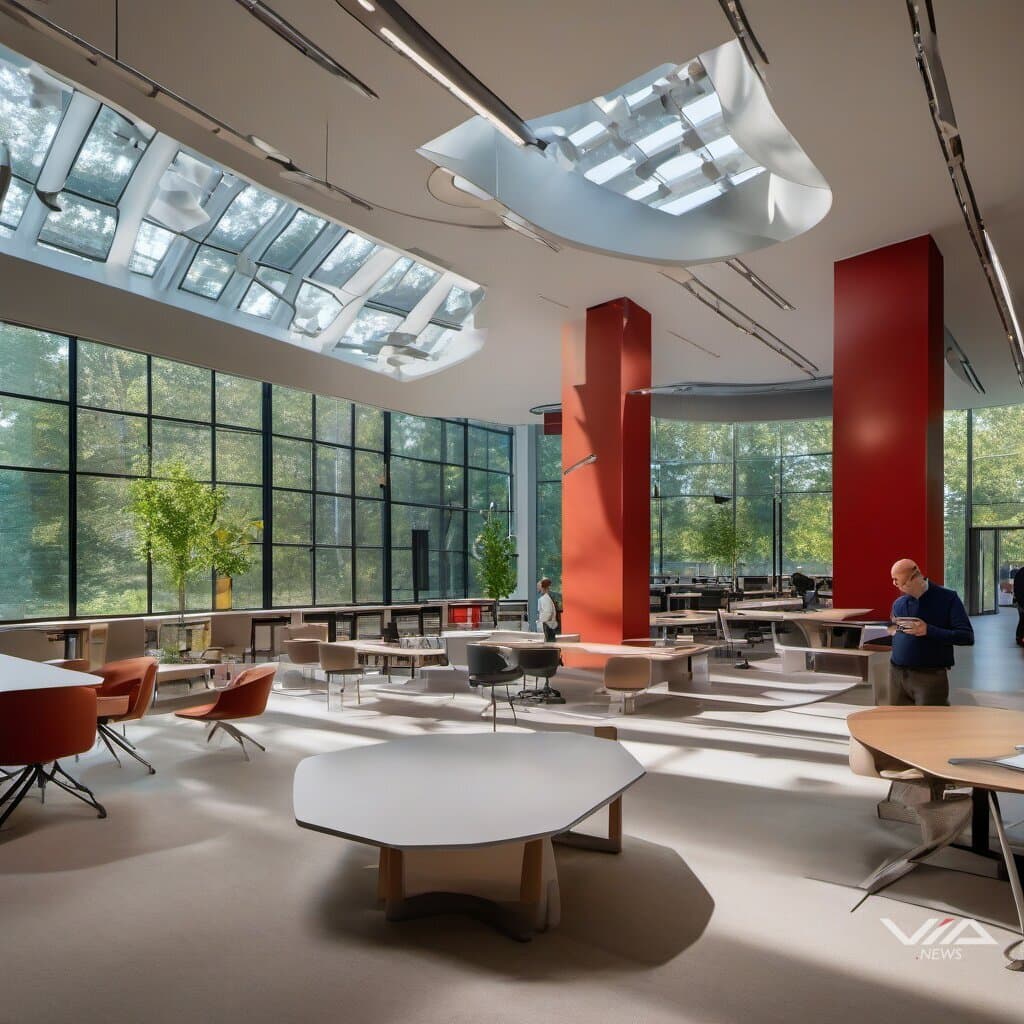
Microsoft Transitions Employee Library to AI-Powered Learning Experience
According to The Verge AI, Microsoft is making significant changes to its employee library system, shifting from a traditional model to an AI-driven learning platform. This move involves both the closure of the physical library and the reduction of digital subscriptions, marking a substantial shift in how Microsoft supports its workforce's access to information and resources.
#### Background and Context
Microsoft has long been known for its extensive employee benefits, including a robust library system that offers both physical and digital resources. The physical library, located in Building 92 at Microsoft’s Redmond campus, has been a cornerstone of the company’s internal knowledge-sharing culture. However, the sheer volume of books and materials has led to some legendary tales among employees, such as the unverified story that the weight of the books caused a previous building to sink. Despite the folklore, the library has been a valuable resource for the approximately 220,000 Microsoft employees worldwide.
#### Transition to AI-Powered Learning
Microsoft is now transitioning away from its traditional library model, moving towards an AI-powered learning experience through the Skilling Hub. This new approach aims to provide a more modern, connected, and efficient way for employees to access and learn from various sources. According to The Verge AI, Microsoft began this transition in November by reducing its digital subscriptions and cutting ties with several publishers.
The decision to cut back on subscriptions is part of a broader strategy to streamline costs while leveraging AI technologies to enhance learning and development within the company. Microsoft has sent automated emails to publishers, informing them that existing contracts will not be renewed upon expiration. One example is Strategic News Service (SNS), which has provided global reports to Microsoft for over two decades but is now no longer included in the subscription list.
#### Technical Details and Implications
The shift to an AI-powered learning experience involves using large language models (LLMs) to curate and deliver content tailored to individual employee needs. These AI systems can analyze vast amounts of data and provide personalized recommendations, summaries, and insights that might not be possible through traditional library methods. For instance, employees could receive real-time updates on industry trends, technology advancements, and best practices directly integrated into their workflows.
However, this transition raises questions about the reliability and depth of information provided by AI systems. Critics argue that AI-generated content may lack the nuance and context found in human-curated resources. As Berit Anderson, Chief Operating Officer of Strategic News Service, pointed out, “Technology’s future is shaped by flows of power, money, innovation, and people—none of which are predictable based on LLMs' probabilistic regurgitation of old information.”
#### Analysis and Significance
The closure of the physical library and the reduction in digital subscriptions signal a broader trend in corporate learning and development. Many companies are increasingly relying on AI and digital platforms to manage and distribute information. This shift can lead to cost savings and improved efficiency but may also result in a loss of certain types of human expertise and curation.
For Microsoft employees, the transition means they will need to adapt to a new way of accessing and consuming information. While the AI-powered learning experience promises to be more personalized and convenient, it may also require additional training to effectively utilize these new tools. Additionally, the closure of the physical library space represents a symbolic change in the company’s culture, potentially impacting the sense of community and shared resources that the library represented.
#### Future Outlook
As Microsoft moves forward with its AI-powered learning experience, the company will need to carefully balance the benefits of automation and personalization with the potential drawbacks of reduced human curation. The success of this transition will depend on how well the AI systems can deliver relevant and high-quality information to employees.
Moreover, Microsoft’s decision to cut back on subscriptions could influence other tech giants and corporations. If successful, this model could become a standard approach for corporate learning and development, reshaping how companies invest in employee education and resources.
In conclusion, Microsoft’s transition from a traditional library to an AI-powered learning experience marks a significant shift in corporate culture and technology. While this change promises to bring modern efficiencies, it also requires careful consideration of the value lost in the process. The coming months will reveal how well Microsoft’s new approach meets the needs of its diverse workforce and sets a precedent for other companies to follow.